
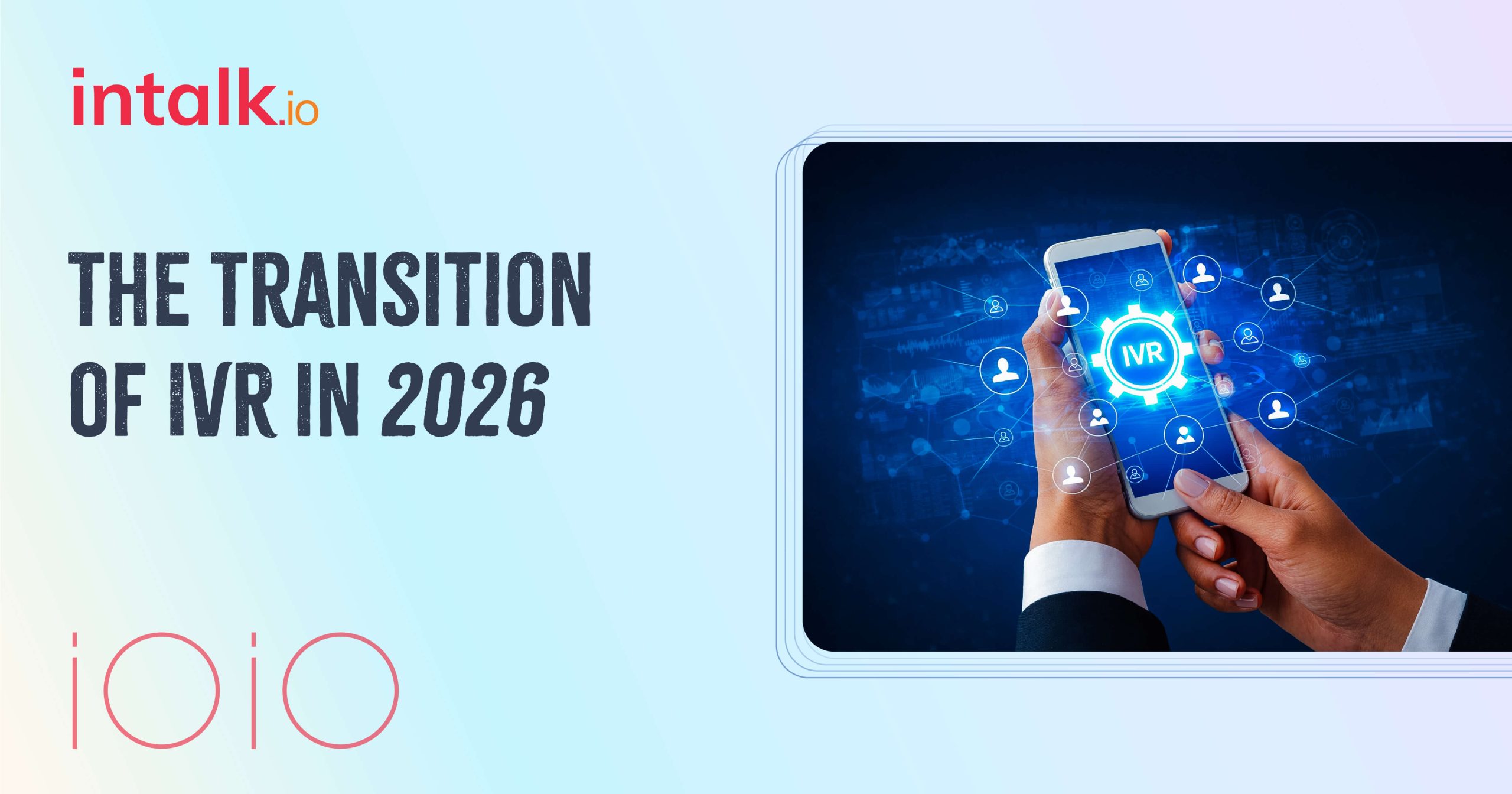

IVR has always been the first voice a customer hears. For years, that voice focused on direction, sorting calls through numbered menus and predefined paths. As customer experience matures, this role changes. By 2026, IVR evolves from a gatekeeper into a guide, shaping conversations with awareness, context, and intent.
From Instructions To Understanding
Early IVR systems relied on structure. Callers listened, pressed keys, and followed prompts step by step. Modern expectations reshape this flow. Customers speak naturally, explain their needs, and expect recognition from the first moment. IVR in 2026 listens with purpose, interpreting language and intent rather than directing behavior. Intalk supports this shift by treating IVR as part of the conversation rather than a barrier before it.
Context Enters The First Interaction
People respond to pace and tone. Long menus and rigid prompts interrupt flow and create fatigue. The next generation of IVR adapts its rhythm to the caller, offering responses that feel measured and attentive. Intalk designs IVR journeys that respect natural speech patterns and guide callers through clear stages, creating an experience that feels steady rather than mechanical.
Ivr As A Decision Partner
By 2026, IVR supports decisions rather than simply collecting inputs. It identifies urgency, recognizes complexity, and prepares the conversation before an agent joins. Agents receive context instantly, allowing them to begin with understanding instead of discovery. Intalk integrates IVR deeply into its contact center ecosystem, ensuring that every handoff carries meaning.
A Familiar Voice, Redefined
The IVR of 2026 still answers the call, yet its purpose expands. It welcomes, understands, and prepares. It shapes the beginning of each journey with clarity and care. Through this transition, Intalk ensures that the first voice customers hear sets the tone for trust, continuity, and resolution.